Xinyang Maojian
Introduction
Xinyang Maojian is a renowned green tea originating from Xinyang, a city in Henan province of China. Known for its exquisite flavor and long-lasting aroma, Xinyang Maojian is often celebrated as one of the finest teas from the Huainan region. It has gained prominence not only for its taste but also as a symbol of Chinese cultural heritage. This tea is cultivated in the Dabie Mountains, situated at 32° N latitude, where the high altitude and latitude contribute to its distinctive characteristics. The tea's unique production techniques have been passed down through generations, preserving its traditional essence while embracing modern innovations.
History
Origin
The history of Xinyang Maojian can be traced back to ancient times. It is believed to have been highly regarded during the Northern Song Dynasty (960-1127). The great literati Su Dongpo praised Xinyang tea, noting its superior quality compared to other teas from the Huainan region. The legacy of Xinyang Maojian is deeply intertwined with the historical and cultural development of tea in China. Generations of tea makers in Xinyang have dedicated themselves to perfecting the art of growing, picking, and processing this tea, preserving its traditional methods while adapting to contemporary demands.
Characteristics
Flavor Profile
Xinyang Maojian is celebrated for its rich and full-bodied flavor. The tea leaves produce a potent aroma that lingers long after brewing, offering a refreshing and invigorating experience to tea enthusiasts. The tea's flavor profile is marked by a delicate balance of sweetness and a subtle hint of bitterness, providing a complex yet delightful taste. The infusion presents a vibrant green color, indicative of its freshness and quality.
Appearance
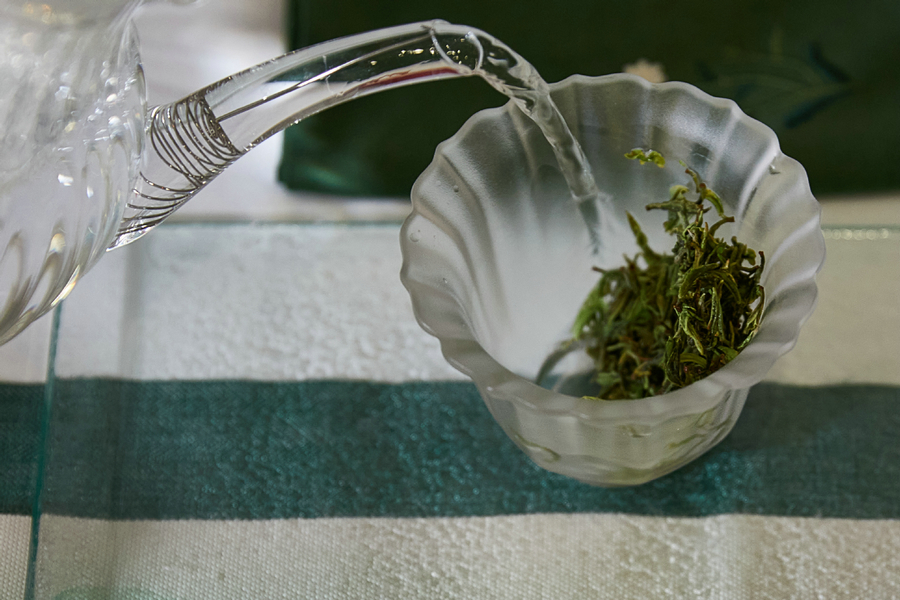
The appearance of Xinyang Maojian is distinctive and appealing. The tea leaves are slender, pointed, and tightly curled, resembling small, sharp swords. This unique shape is a result of meticulous hand-rolling techniques employed during the processing stage. The leaves exhibit a bright green hue, indicative of their premium quality and careful handling. The visual allure of Xinyang Maojian enhances its appeal, making it a favorite among tea connoisseurs.
Production and Harvest
Xinyang Maojian is predominantly grown in the Dabie Mountains region, an area known for its ideal tea-growing conditions. The region's high altitude and latitude provide a cool climate, abundant rainfall, and fertile soil, all of which contribute to the tea's exceptional quality. The specific geographic and climatic conditions of the Dabie Mountains are crucial in imparting Xinyang Maojian with its distinctive characteristics, setting it apart from other green teas.
The harvesting process of Xinyang Maojian is a meticulous and time-honored practice. Tea leaves are carefully hand-picked during the spring season, ensuring only the tenderest and freshest buds are selected. The picking process requires skill and precision to maintain the integrity of the leaves. Following the harvest, the leaves undergo a series of processing steps, including withering, rolling, and frying, to develop their unique flavor and aroma. Despite modern innovations, the traditional techniques in tea processing are rigorously upheld to preserve the authentic quality of Xinyang Maojian.
Brewing Methods
Brewing Xinyang Maojian requires careful attention to detail to fully appreciate its flavor and aroma. The ideal brewing temperature is around 80°C, with a steeping time of approximately 2-3 minutes. Using high-quality, filtered water enhances the tea's characteristics. The tea leaves can be steeped multiple times, with each infusion revealing new layers of flavor. The brewing process is often accompanied by a sense of ritual and mindfulness, enhancing the overall tea-drinking experience.
Cultural Significance
Xinyang Maojian holds significant cultural value in China, symbolizing the rich heritage and traditions associated with tea. It is an integral part of Chinese tea culture, often featured in tea ceremonies and cultural events. The tea embodies the artistry and craftsmanship of generations of tea makers, reflecting the cultural legacy of the region. The inclusion of traditional Chinese tea-making techniques and customs in the UNESCO Intangible Cultural Heritage List underscores the importance of Chinese tea in preserving cultural traditions and promoting cultural exchange.
Health Benefits
Xinyang Maojian, like many green teas, offers numerous health benefits. It is rich in antioxidants, which help combat free radicals and reduce oxidative stress in the body. Regular consumption of Xinyang Maojian has been associated with improved metabolism, enhanced cognitive function, and a strengthened immune system. The tea is also believed to aid in weight management and promote cardiovascular health. Its natural composition and beneficial properties make it a favored choice among health-conscious individuals seeking a refreshing and healthful beverage.








